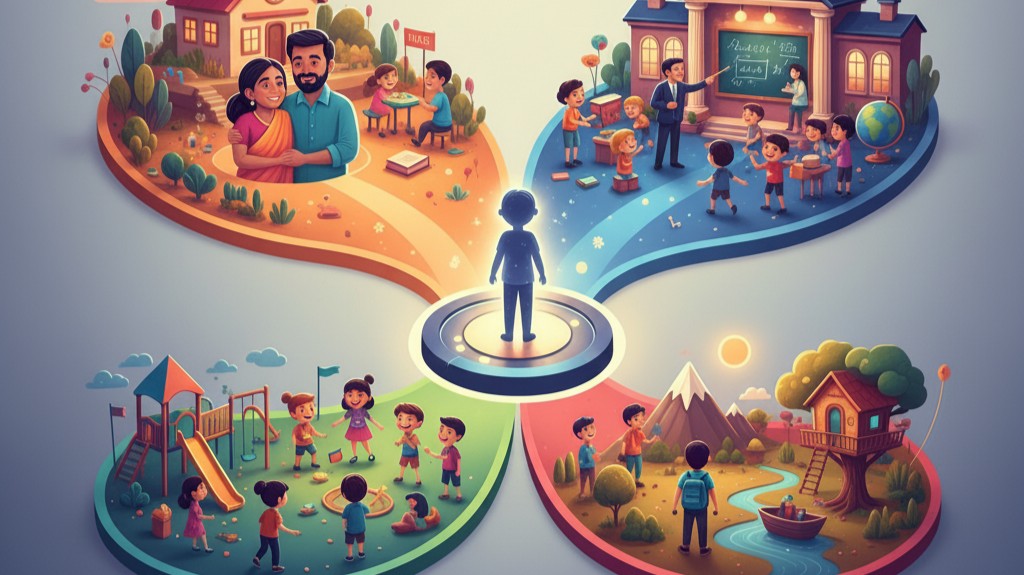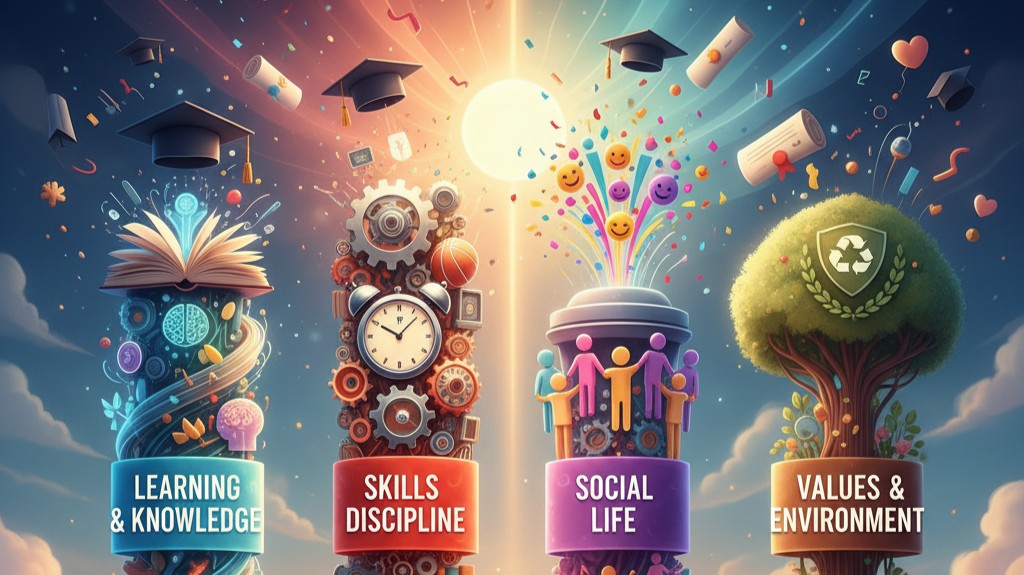
Hey everyone! 👋 Ever wonder why your sweet, compliant child suddenly starts questioning everything you say, preferring their friends over family time, and seems to have a built-in “rebel” button? You’re not alone! Teen rebellion is a universal phase, and as parents, educators, and even teens themselves, understanding why it happens can make all the difference. This isn’t just about defiance; it’s a complex dance of growth, brain development, and finding one’s place in the world.
The Teenage Brain: A Work in Progress 🧠
One of the biggest drivers of adolescent behaviour is the fascinating, yet sometimes frustrating, development of the teenage brain. While adults rely heavily on the prefrontal cortex for decision-making and impulse control, this part of the brain is still maturing in teens. This means they might be more prone to:
Impulsivity: Acting without fully thinking through the consequences.
Risk-taking: The thrill of new experiences can outweigh potential dangers.
Emotional responses: Emotions can feel more intense and overwhelming.
This isn’t an excuse, but an explanation! Understanding this helps us approach parenting teens with more empathy and patience.
The Quest for Independence and Identity 🚀
Think back to your own teenage years. Wasn’t there a burning desire to be seen as an individual, not just an extension of your parents? This is a core part of identity formation. Teens rebel as a way to:
Establish Independence: They’re testing boundaries and asserting their autonomy. They want to make their own choices, even if those choices seem questionable to adults. It’s about defining “me” versus “us.”
Explore Values and Beliefs: They might question family traditions, religious beliefs, or political views as they try to figure out what they truly believe in. This exploration is vital for personal growth.
Seek Self-Expression: From fashion choices to music tastes, rebellion can be a powerful form of self-expression. It’s their way of showing the world who they are or who they want to be.
The Power of Peers and Peer Pressure 🧑🤝🧑
For many teens, friends become the centre of their universe. Peer pressure is a huge factor in teen rebellion. While we often think of peer pressure negatively, it also plays a role in:
Belonging: The need to fit in and be accepted by their social group is incredibly strong.
Social Learning: Teens learn social cues, norms, and behaviours from their peers.
Conformity (and non-conformity): Sometimes rebellion is about conforming to a specific peer group’s norms, which might be different from their family’s. Other times, it’s rebelling against a perceived “mainstream” to show their uniqueness within a different peer group.
In the Indian context, balancing family expectations with peer influence can be particularly challenging for Gen Z.
Communication Breakdown: When Wires Get Crossed 📞
Often, what looks like outright rebellion can be a symptom of a communication with teens breakdown. If teens feel unheard, misunderstood, or constantly judged, they might resort to defiant behaviour as a way to:
Get Attention: Even negative attention can feel better than no attention.
Express Frustration: When they can’t articulate their feelings, actions speak louder than words.
Resist Control: If they feel overly controlled, rebellion becomes their way of regaining some power.
Open, honest, and non-judgmental dialogue is crucial. Active listening can defuse many potential conflicts.
The Role of Indian Parenting and Cultural Context 🇮🇳
In India, parenting teens often involves a strong emphasis on respect for elders, academic achievement, and traditional values. While these are important, it can sometimes create a unique pressure cooker for Indian teens who are also exposed to global influences and modern ideas through social media and friends.
Balancing Tradition and Modernity: Teens might rebel against what they perceive as outdated rules or expectations, especially when they see their global peers having more freedom.
Academic Stress: The intense pressure for academic success can lead to rebellion as a way to lash out against overwhelming expectations.
Respect vs. Independence: Parents might interpret a teen’s desire for independence as disrespect, leading to misunderstandings.
So, What Can We Do? 🙏
Understanding these reasons is the first step. Here are a few tips for parents and educators:
Empathise: Remember your own teenage years.
Communicate Openly: Create a safe space for dialogue, even about difficult topics.
Set Clear Boundaries (and explain them): Teens need structure, but also need to understand the ‘why’ behind the rules.
Allow for Autonomy: Give them opportunities to make age-appropriate decisions and learn from their mistakes.
Support Their Identity: Encourage their unique interests and passions.
Be a Role Model: Show them how to navigate challenges and express themselves respectfully.
Seek Professional Help: If rebellion becomes destructive or dangerous, don’t hesitate to reach out to a counsellor or therapist.
Teen rebellion isn’t always negative; it’s often a sign of growth and a healthy step towards becoming a well-adjusted adult. By understanding the underlying reasons and fostering open communication, we can guide our teens through this challenging, yet exciting, phase of their lives.